0%

Lately, there’s been a real boom in the demand for Enterprise UAVs around the world. Industry folks often talk about how much these drones are changing the game. I remember Dr. Emily Chen from Shenzhen UAV Solutions once mentioning, “Enterprise UAVs are really shaking up how efficiently different sectors work.” Her words reflect this big shift in business operations.

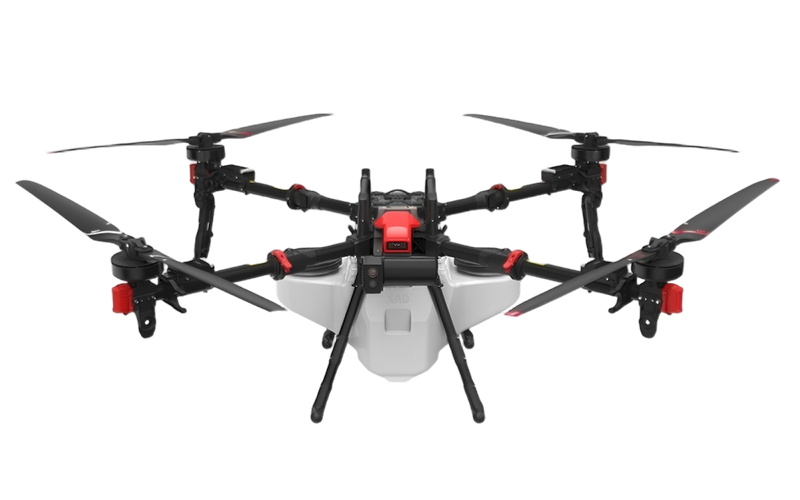
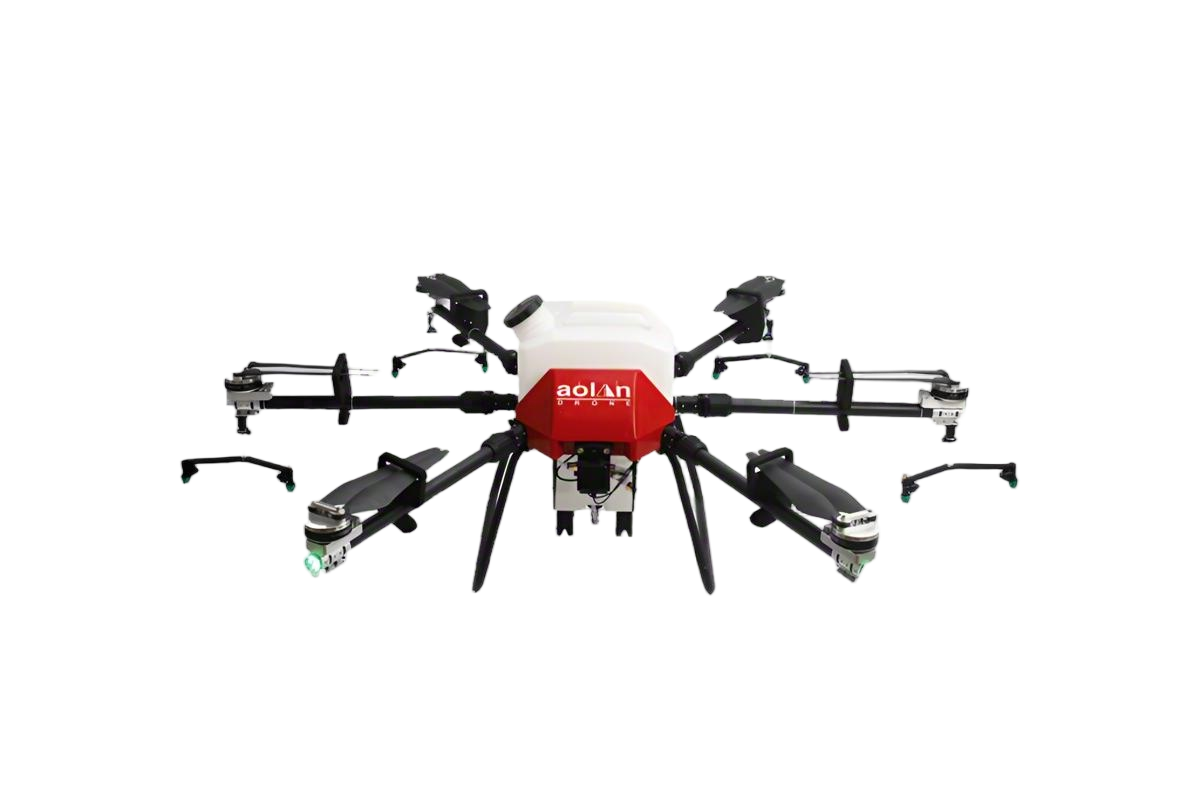
China seems to be leading the charge here, with companies like DJI, EHang, and XAG stepping up as major players. They’re offering all sorts of solutions—from agriculture and logistics to surveillance—which shows just how many ways these drones can be used. That said, if you're thinking about jumping in, you’ve gotta be prepared for a pretty complicated market — plenty of rules and standards vary from place to place.

Of course, while it’s clear that Enterprise UAVs hold a lot of promise, it’s not all smooth sailing. Not every solution fits every business perfectly. It’s a smart move to really check out what your company needs before diving in. Getting everything up and running might be a challenge at first, but honestly, the potential gains make it worth the effort.

Top Enterprise UAVs in China for Global Buyers?

Overview of the UAV Market in China for Global Buyers

China's UAV market has seen significant growth in recent years. Many manufacturers focus on technology and innovation. This has made China a key player in the global UAV industry. Specific sectors such as agriculture, delivery, and surveillance benefit from this technological advancement. Buyers from around the world are interested in these developments.

Diverse applications highlight the UAV market's potential. Drones are used for precision farming, which improves crop yields. In logistics, UAVs ensure faster delivery, cutting transportation times significantly. Security applications also have a growing demand, ranging from border patrol to urban monitoring. However, challenges remain. Regulatory frameworks can be complex. Understanding these regulations is crucial for global buyers.

Some products may still lack consistency in quality. Buyers often face difficulties in receiving support and maintenance. Regional differences in manufacturing standards add to the confusion. Adapting to these nuances can pose problems for foreign buyers. They must conduct thorough research and consider these factors when entering the Chinese UAV market.

Key Features and Advantages of Chinese Enterprise UAVs

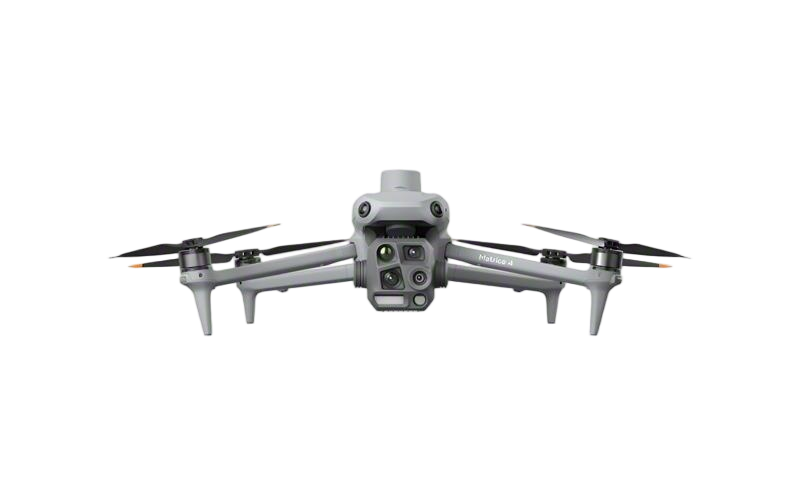
Chinese enterprise UAVs have gained attention for their advanced technologies and cost-effectiveness. Many models feature high-resolution cameras and powerful sensors. These capabilities enhance data collection for agriculture, surveillance, and mapping. Remote operations are often streamlined, allowing users to operate them with ease. This user-friendly interface is an advantage, especially for companies new to drone technology.

Another key feature is the long flight time that many UAVs provide. Extended battery life ensures longer missions without the need for frequent recharges. This is particularly beneficial for industries requiring extensive surveillance or data gathering. However, it is worth noting that environmental factors can impact performance. Users must be mindful of these conditions to optimize operations.

While these UAVs are competitive on a global scale, they are not without limitations. Some models may lack advanced AI capabilities that other competitors offer. Users should evaluate which features best meet their specific needs. It’s also essential to consider the level of support available. Understanding these aspects is crucial in making an informed choice in the rapidly evolving UAV market.

Top Enterprise UAVs in China for Global Buyers

UAV Type Max Payload (kg) Flight Time (minutes) Range (km) Key Features
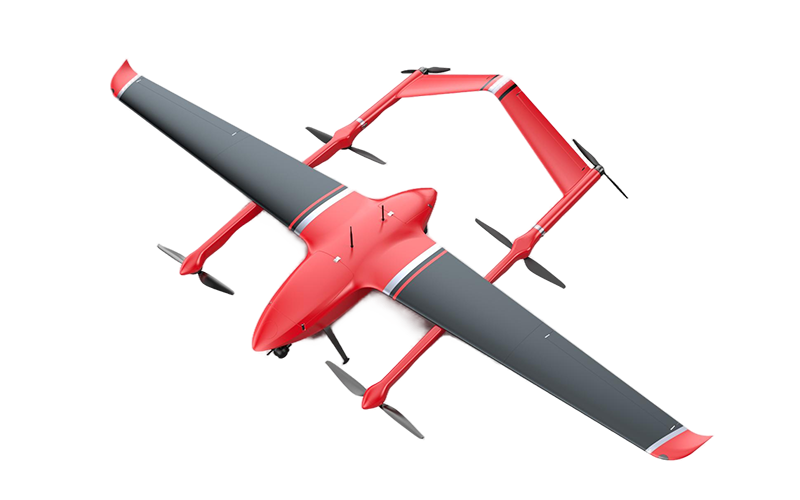
Fixed-Wing UAV 20 120 100 Long flight endurance, high efficiency
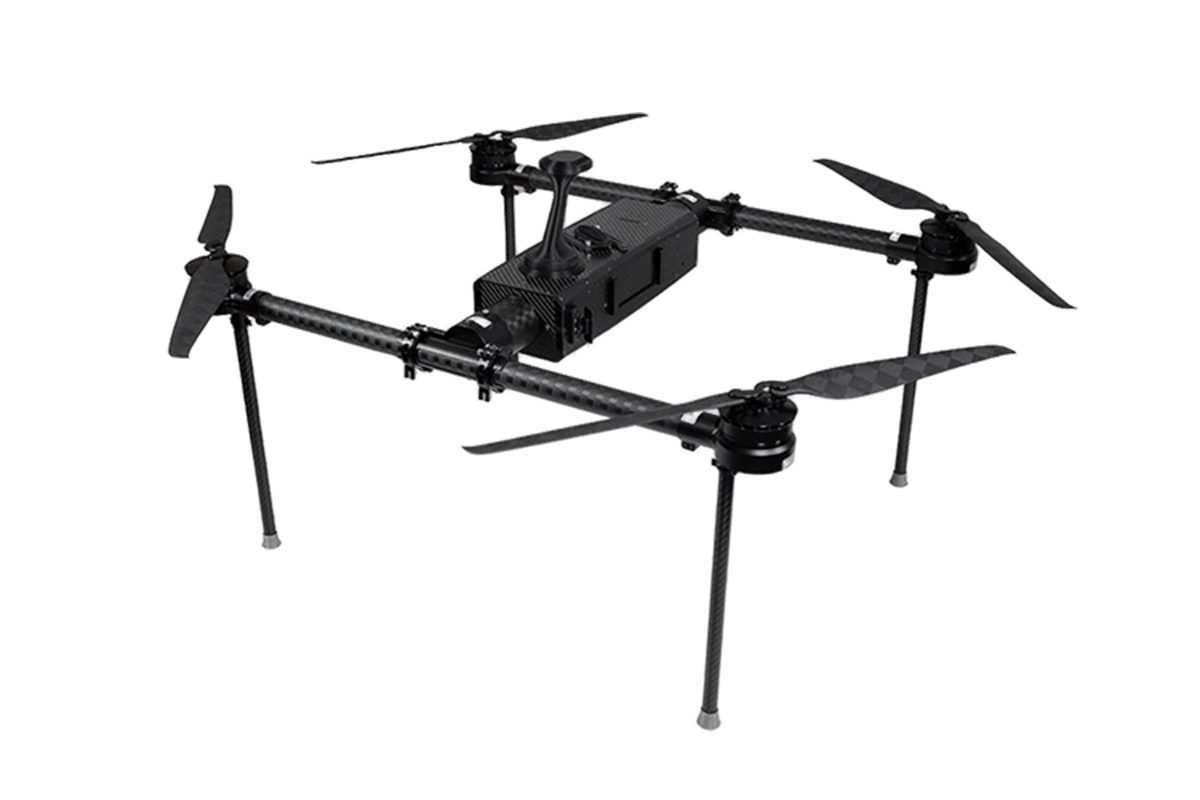
Multirotor UAV 10 30 20 Versatile applications, stable hover
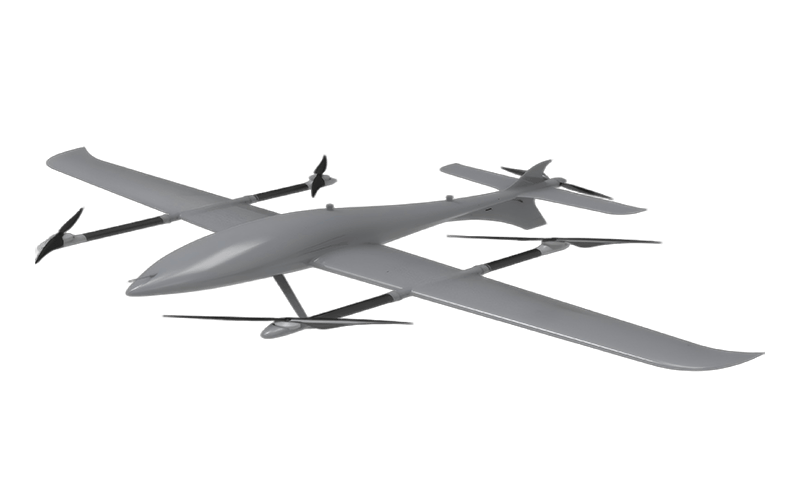
Hybrid UAV 15 60 75 Combines vertical takeoff and long-range
Solar-Powered UAV 5 360 200 Environmentally friendly, extended flight
Cargo UAV 100 90 500 Heavy lift capability, reliable

Leading Chinese UAV Manufacturers and Their Offerings

China is home to a vibrant UAV industry, with several manufacturers gaining traction in the global market. According to a 2022 industry report, Chinese UAV manufacturers produced over 80% of the world's commercial drones. This statistic highlights their dominance in a rapidly evolving sector. A key aspect of these companies is their ability to adapt and innovate. Many specialize in various fields, including agriculture, surveillance, and logistics.

Leading manufacturers are focusing on technological advancements. For instance, improvements in AI and machine learning are enhancing UAV capabilities. Reports suggest that UAVs equipped with advanced sensors can improve reconnaissance efficiency by 50%. Global buyers often seek reliable systems, which Chinese manufacturers aim to provide. However, challenges remain, such as international regulations and safety standards, which can complicate market entry in various regions.

While China's UAV offerings are diverse and competitive, potential buyers must consider product reliability. Some reports indicate variations in quality among different manufacturers. Thus, due diligence is essential. Engaging with reputable companies and understanding product specifications will offer a clearer picture. Ultimately, the growth potential for Chinese UAVs in global markets remains significant, provided that manufacturers can address these industry complexities.

Comparative Analysis of Popular Enterprise UAV Models

In recent years, the demand for enterprise UAVs has surged in various sectors. This rise has prompted a focused analysis of popular models in China. Buyers should consider factors such as payload capacity, flight time, and ease of use when selecting a UAV. Understanding these elements can significantly impact operational efficiency.

Battery life is crucial. Many models provide limited flight durations, which can hinder your projects. Evaluate your requirements against flight time to avoid unexpected delays. Additionally, varying weather conditions can affect performance. Testing models in different scenarios is essential to ensure reliability.

Prices vary widely among different models. While some may seem affordable, additional costs for parts and maintenance can accumulate. It's important to budget effectively. Reflect on your long-term needs. Cheaper models may not offer the durability required for prolonged use. Balance initial costs with overall value for better decision-making.

Market Trends Influencing UAV Adoption Worldwide

The global market for unmanned aerial vehicles (UAVs) is rapidly evolving. Factors like technological advancements and regulatory shifts drive this change. Emerging markets show a growing appetite for UAVs, largely due to their versatility in industries like agriculture, logistics, and surveillance.

In China, significant investments are fostering innovation. Companies are focusing on improving battery life and enhancing payload capacities. However, challenges remain. Some regions face stringent regulations which complicate the adoption process. The need for skilled operators is also a concern. This gap in expertise can slow down the implementation of UAV technology, limiting its full potential.

As demand increases, many buyers are evaluating their choices carefully. They seek reliable partners who can offer cutting-edge solutions while adhering to safety standards. The emphasis on data security is becoming more pronounced, as potential users are wary of vulnerabilities. Global buyers must be cognizant of these trends as they navigate the UAV landscape in China.

Regulatory Environment for UAVs in China and Abroad

The regulatory environment for unmanned aerial vehicles (UAVs) in China is complex. The Chinese government has established strict guidelines to ensure safety and security. These regulations govern various aspects, including drone registration, flight permissions, and airspace restrictions. Compliance is essential for manufacturers and operators. Failing to adhere to these regulations can lead to heavy fines or confiscation of UAVs.

Internationally, regulations can vary significantly. Many countries have adopted frameworks similar to those in China. However, nuances exist that can complicate cross-border operations. For instance, some nations require more extensive pilot training, while others impose stricter airspace limitations. Navigating these diverse regulations demands a deep understanding of each jurisdiction's requirements.

Adapting to these regulatory challenges can be daunting. Companies looking to enter the drone market must remain up-to-date on changing policies. The constant evolution of technology further complicates the landscape. New features in UAV design may necessitate updates to existing regulations. Companies must stay proactive rather than reactive. This dynamic environment requires both strategic planning and flexibility to succeed.

Future Prospects for Chinese UAVs in the Global Market

Chinese unmanned aerial vehicles (UAVs) are gaining traction in the global market. According to a recent industry report, the Chinese UAV market is expected to reach $12 billion by 2025. This growth can be attributed to increased demand for aerial surveillance and delivery systems across various sectors.

The technology behind these UAVs is advancing rapidly. Many models exhibit capabilities such as extended flight times and enhanced payload capacities. For instance, certain UAVs can remain airborne for over 24 hours. However, challenges persist. Regulatory barriers in different countries can limit market entry for Chinese UAVs. There are also concerns regarding data security and operational reliability.

International buyers are increasingly drawn to the competitive pricing of these UAVs. Analysts suggest that the price advantage could shift, depending on geopolitical factors. Understanding these dynamics is crucial for potential buyers. Investing in a Chinese UAV may offer technological benefits but comes with uncertainties that warrant careful consideration. The future trajectory remains to be seen, necessitating ongoing monitoring of the market.

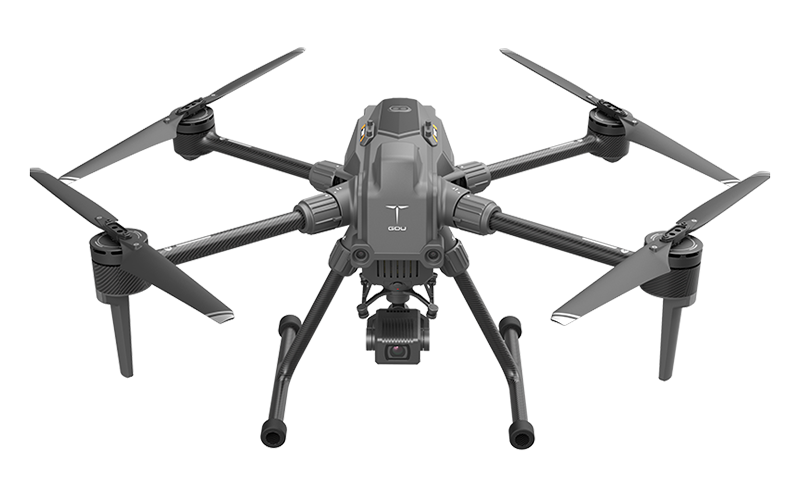
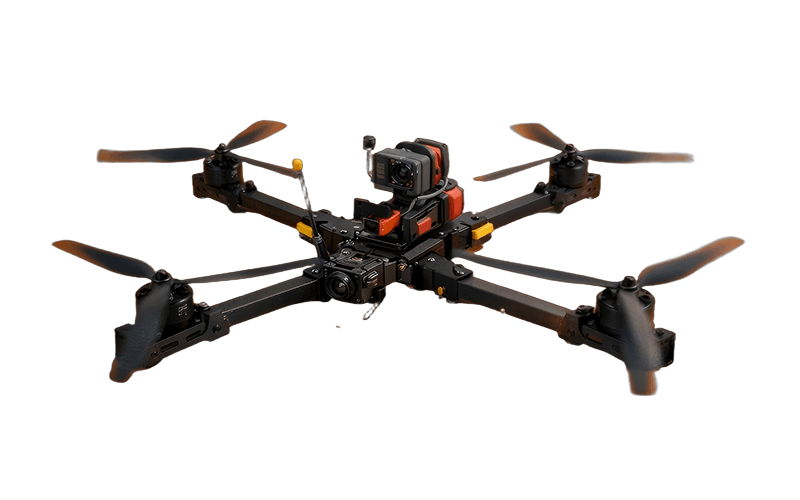
Exploring the Innovative Features and Benefits of the GDU S200 Dual-Camera Enterprise Drone with RTK Module

The GDU S200 Dual-Camera Enterprise Drone equipped with an RTK module positions itself as a game-changer in the industrial drone market. With the increasing demand for high-precision aerial imagery and data collection in sectors like agriculture, construction, and surveying, the dual-camera system enhances operational efficiency by combining visual and thermal imaging capabilities. According to industry reports, the market for commercial drones is expected to surpass $43 billion by 2024, indicating a significant shift towards innovative applications that cater to specific industry needs.

The integration of the RTK (Real-Time Kinematic) module further amplifies the GDU S200's utility by delivering centimeter-level positioning accuracy. This is vital for applications that require precise measurements, such as topographical surveys and asset inspections. Research shows that drones equipped with RTK capabilities can improve data collection times by up to 70%, translating into significant time and cost savings for enterprises. Furthermore, the drone's robust build and industrial-grade features ensure reliability even in challenging environments, making it an invaluable asset for enterprises looking to enhance their operational workflows.

In a world increasingly reliant on data-driven decision-making, the GDU S200 addresses both the technological and operational needs of modern industries. The dual-camera functionality not only enhances data quality but also allows for more informed analyses, paving the way for improved outcomes in various applications. As industries continue to embrace drone technology, the innovations presented by the GDU S200 exemplify the potential of aerial solutions to reach new heights in operational excellence.

FAQS

: What is the current state of the U

V industry in China?

What challenges do manufacturers face in the UAV market?

Manufacturers deal with international regulations and safety standards that complicate market entry.

How is technology improving UAV capabilities?

Advances in AI and machine learning boost reconnaissance efficiency by up to 50%.

What should buyers consider when choosing a UAV?

Buyers must evaluate product reliability, as quality can vary among manufacturers.

Why is staying compliant with regulations important for UAV operations?

Non-compliance can result in heavy fines or confiscation of UAVs in various regions.

What does the future hold for Chinese UAVs in global markets?

The Chinese UAV market may grow to $12 billion by 2025, driven by demand for aerial services.

How do international regulations differ from those in China?

Countries may have their own pilot training requirements and airspace limitations, impacting operations.

What are some key capabilities of advanced UAV models?

Many models can fly for over 24 hours and carry heavier payloads than older versions.

Why is it important to understand market dynamics before investing in UAVs?

Price advantages can change due to geopolitical factors, creating uncertainties for buyers.

How can manufacturers successfully adapt to regulatory challenges?

Companies must keep up-to-date on laws and remain flexible in their operations to succeed.

Conclusion

The article explores the growing market for enterprise UAVs in China, highlighting their key features and advantages that make them attractive to global buyers. It emphasizes the technological advancements and innovative designs that allow these UAVs to excel in various applications, from agriculture to surveillance. Additionally, it provides a comparative analysis of popular enterprise UAV models, discussing performance metrics and capabilities that set them apart in the competitive landscape.

Furthermore, the article examines market trends shaping the adoption of UAVs worldwide, as well as the regulatory environment affecting both domestic and international operations. As the demand for efficient aerial solutions continues to rise, the future prospects for Chinese enterprise UAVs in the global market appear promising, driven by continual innovation and adaptation to regulatory challenges.

Emily

Emily

Emily is a dynamic and skilled marketing professional with a deep understanding of UAV systems and their applications across various industries, including agriculture, energy, and smart cities. With a passion for integrated innovation, she plays a critical role in showcasing how her company builds......
Previous How to Choose the Best Thermal Drone for Your Needs?